
You have just run a batch through your shrink packing machine, expecting tight, professional-looking packages. Instead, the film comes out wrinkled, loose, and clinging poorly to the product surface. It looks unprofessional, and it compromises the integrity of your packaging.
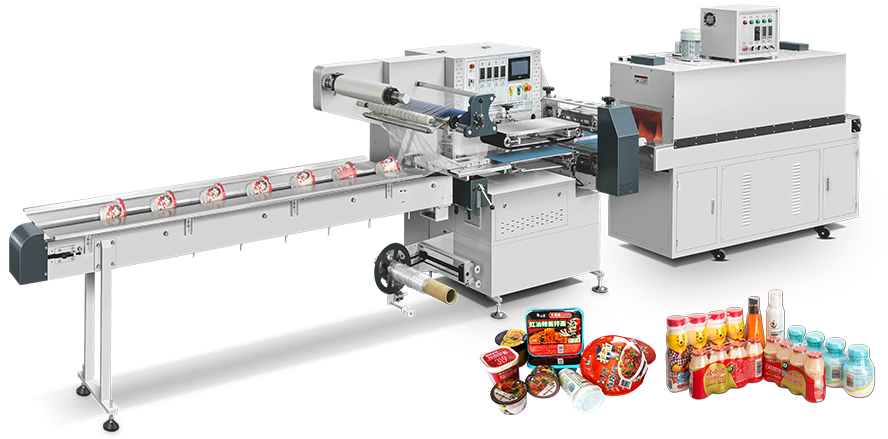
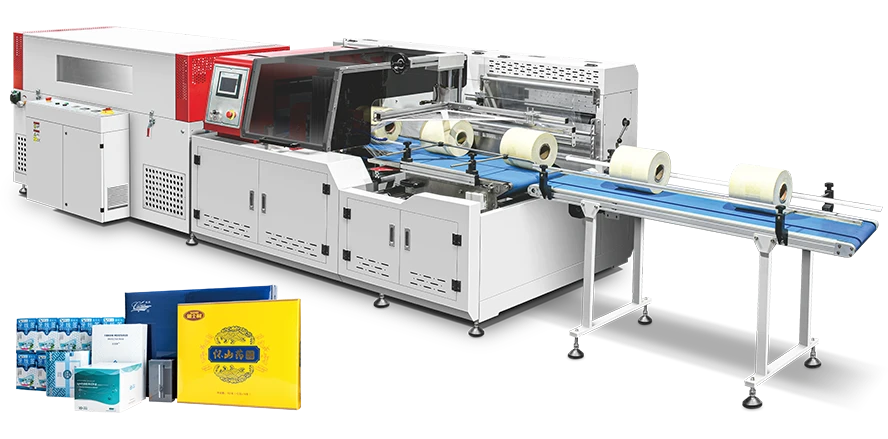
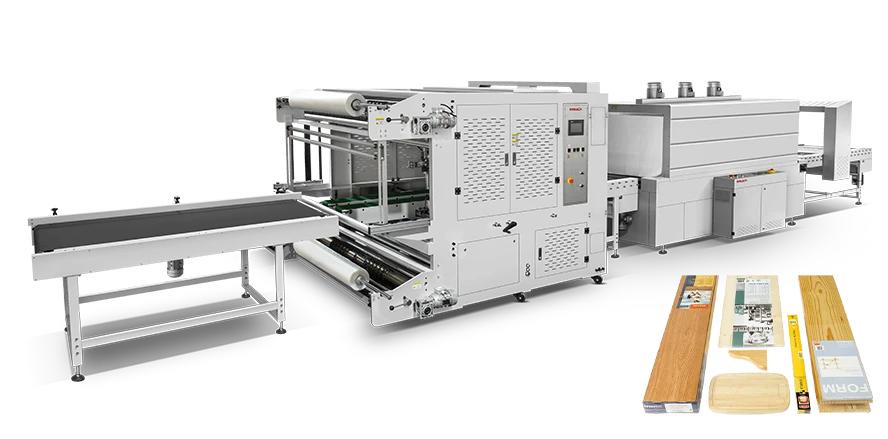
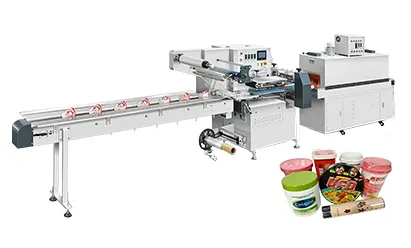
This is one of the most common frustrations operators face with any automatic shrink packing machine. The good news is that the root causes are predictable—and fixable. In most cases, the issue traces back to one of four factors: temperature, speed, tension, or film width. Here is what to check and how to get your shrink wrapping machine back to producing clean, tight packages.
Low Tunnel Temperature
The shrink tunnel is where the magic happens. When film passes through, heat causes it to contract and conform tightly to the product. If the tunnel temperature is too low, the film does not shrink fully. It comes out loose, with a wrinkled, baggy appearance that fails to hug the product contours.
Most POF films require a tunnel temperature between 160°C and 200°C, depending on thickness and ambient conditions. If you are consistently seeing loose film, try raising the temperature in small increments—5°C at a time—until the film tightens properly. Keep in mind that different films and thicknesses behave differently. A roll of 11μm film will shrink at a lower temperature than a 19μm roll.
Excessive Conveyor Speed
Speed is another critical variable. The film needs adequate time inside the tunnel to reach its shrink temperature and complete the contraction process. When the conveyor moves too fast, the film passes through before it has fully shrunk, leaving you with loose, wrinkled packaging.
This is a balancing act. Running your high speed shrink packing machine at maximum output is appealing, but not if the quality suffers. Try reducing the conveyor speed incrementally and observe the results. Often, a modest slowdown—10% to 15%—is all it takes to achieve tight, professional film without sacrificing too much throughput.
Uneven Film Tension
Film tension throughout the shrink packing machine directly affects how the film lays on the product. If tension is uneven—too loose on one side, too tight on the other—the film will wrinkle as it feeds, and those wrinkles carry through to the final package.
Check the tension springs and rollers along the film path. They should provide consistent, balanced pull across the entire width of the film. Also verify that the film roll is centered on its shaft. An off-center roll introduces uneven tension that manifests as wrinkles on one side of the package. Adjusting the tension springs is usually a quick fix that delivers immediate improvement.
Oversized Film Width
Film width is often overlooked but matters enormously. If the film is wider than necessary for your product, the excess material has nowhere to go during shrinking. It folds, overlaps, and wrinkles instead of conforming neatly.
The solution is straightforward: switch to a narrower film roll that matches your product dimensions more closely. Many operators try to use a single film width across multiple product sizes to save on inventory, but this approach frequently backfires with poor package quality. The cost of maintaining a few extra film widths is almost always less than the cost of rejected batches and unhappy customers.
Putting It All Together
Wrinkled, loose film is frustrating, but it is also one of the most solvable problems on any shrink packing machine. Start by checking tunnel temperature, then slow the conveyor, inspect tension, and verify film width. In most cases, one of these adjustments will resolve the issue immediately.
If you have tried all four and the problem persists, examine the condition of your sealing cutter and the overall alignment of the film path. A worn or misaligned cutter can introduce unevenness that no amount of temperature or speed adjustment will fix.
Need Help Getting Your Shrink Wrapping Machine Dialed In?
Every production line is different, and sometimes a fresh pair of eyes makes all the difference. If you are still struggling with film quality issues on your automatic shrink packing machine, our technical team can help diagnose the problem remotely or on-site.