
When a high speed flow type sealing machine starts running below expectations, the first reaction is often to blame the film. In many factories, operators change the film roll, adjust the temperature, and still see the same wrinkled film, loose packaging, or weak seals. The truth is that these three problems usually come from different parts of the line. They may look similar on the finished pack, but the causes are not the same.
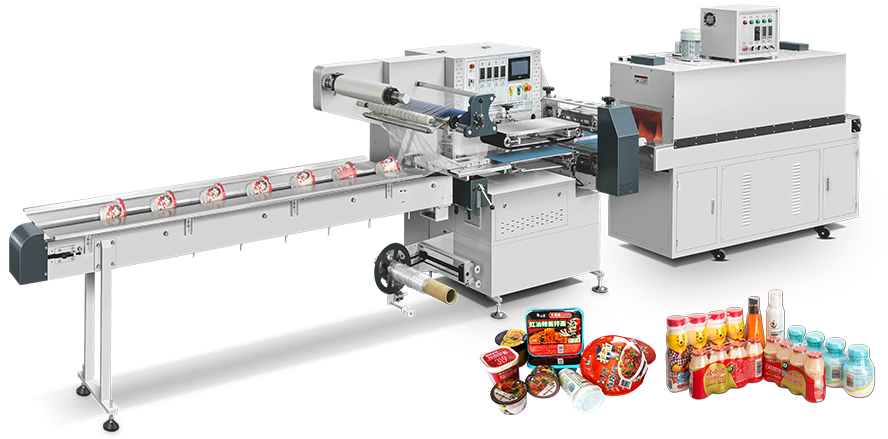
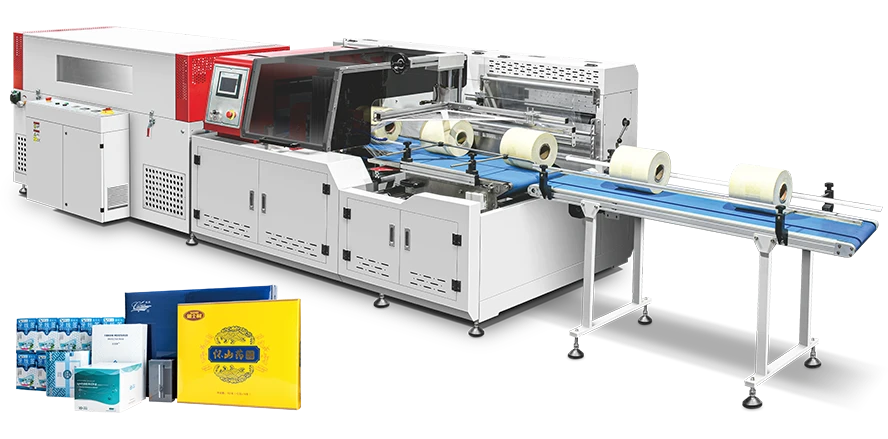
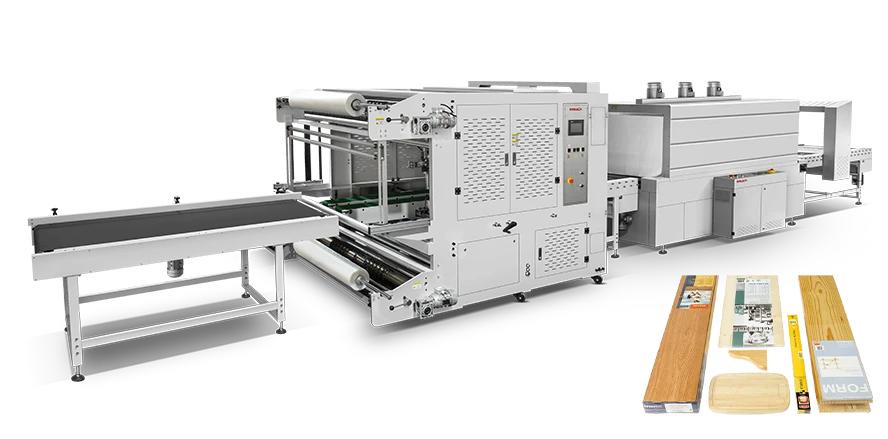
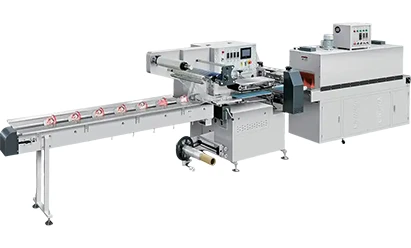
A high speed flow type sealing machine works as a system: film delivery, sealing knife, shrink tunnel, conveyor, and product feeding all have to stay in balance. Once one part falls out of sync, the finished package shows it immediately. This guide covers the most common causes and the first checks that save time.
Start With Film Tension and Roll Alignment
Wrinkled film is often a film delivery issue, not a sealing issue. On a POF film sealing machine, the film roll must sit in the center position. If it is slightly off to one side, the film travels unevenly through the guide rollers. One side stays tight while the other side stays loose, and the result is a wrinkled seal or a folded edge.
Film tension matters just as much. The left and right tension should be balanced. A weak tension spring or a worn roller can create small variations that are hard to see at low speed but obvious at 150 packs per minute. Also check the film width. If the film is wider than the product needs, extra material gathers around the pack and shrinks into wrinkles. The fix is not always a new machine setting; sometimes it is simply a narrower matching film roll.
Check the Photo Eye and Guide Triangle
The photo eye controls film cut length. If it is dirty or wrongly positioned, the film may be cut too long or too short. Dust on the lens is a common issue in paper cup and tissue box production. Clean the lens first, then recalibrate its sensitivity. The guide triangle angle also affects how the film wraps around the product. A small adjustment can remove a fold that has been causing rejects for days.
Temperature Balance: Sealing Knife vs. Shrink Tunnel
Weak seals and wrinkled film can both come from temperature, but they point to different areas. A weak seal usually starts at the sealing knife. If the knife temperature is too low, the POF film does not melt properly. If the clamping pressure is too light, the seam looks closed but splits later. For POF film, the sealing knife normally runs around 130–170°C, depending on film thickness and line speed.
Wrinkled or loose packaging, on the other hand, often comes from the shrink tunnel. A dual temperature zone high speed flow type sealing machine gives better control because the first zone can start the shrink and the second zone can finish it. If both zones are set too low, the film stays loose. If the conveyor runs too fast, the pack leaves the tunnel before the film fully shrinks. Raising temperature without checking speed can burn the film and create a different problem.
Why Loose Packaging Often Points to Speed
Trapped air is a common cause of loose packaging. The film shrinks around the product, but air cannot escape fast enough. The pack looks puffy or soft instead of tight. Before changing the tunnel temperature, slow the conveyor slightly and see if the air has time to exhaust. On some products, a small exhaust hole in the film or a short delay before shrinking solves the issue. This is especially useful for paper cups, bowls, and boxed goods.
Mechanical Timing, Cutter Condition, and Maintenance
At high speed, timing is everything. A 3 servo high speed flow type sealing machine separates the feeding conveyor, sealing cutter, and film delivery. That design reduces mechanical wear and makes size changeover faster, but it still needs correct settings. If the cutter height is wrong, the blade may cut into the product or leave a weak seal. If the feeding and cutting timing is out of sync, the seal area may be uneven.
The sealing blade itself should be checked regularly. Alloy steel cutters hold up well, but film residue and worn Teflon tape can cause sticking, burning, and tearing. Clean the blade, replace the anti-stick tape, and confirm the spring pressure. On a normal maintenance schedule, this is a daily or weekly task, not a once-a-month job.
Quick Troubleshooting Guide
| Symptom | Likely Cause | First Check |
|---|---|---|
| Wrinkled film | Uneven film tension, off-center roll, wrong film width | Roll position, tension spring, guide rollers |
| Loose packaging | Conveyor too fast, trapped air, low tunnel temperature | Conveyor speed, exhaust, dual-zone temperature |
| Weak seal | Low knife temperature, low pressure, worn Teflon tape | Knife temp, spring pressure, blade condition |
| Film burns or sticks | Knife too hot, slow line speed, dirty cutter | Knife temperature, speed, clean blade |
| Cutter cuts product | Wrong cutter height, timing error, skewed feeding | Knife elevation, servo timing, front baffle |
When to Stop Adjusting and Call for Support
If you have checked film tension, temperature, speed, and cutter condition, and the problem continues, stop guessing. A short video of the machine running is often enough for a technician to spot the issue. Remote diagnosis can save days of trial and error. If the problem started after a size changeover, ask for the parameter recipe for that product. If it started after a film supplier change, send the film spec and thickness.
Good after-sales support matters more than a long feature list. The right partner will help you confirm the correct POF film, tunnel temperature, knife setting, and conveyor speed for each product. That is how you protect output, reduce waste, and keep the line running at 150 packs per minute.
Summary
Wrinkled film, loose packaging, and weak seals are not random. They are signals from the line. Film tension and roll alignment usually cause wrinkles. Conveyor speed, trapped air, and tunnel temperature usually cause loose packs. Knife temperature, pressure, and blade condition usually cause weak seals. Check these areas in order, and you will solve most problems without replacing parts.
Have a packaging issue you want solved?
Send us a sample, your film specification, and a short video of the problem. Our team can review your high speed flow type sealing machine setup and recommend the right adjustments. Whether you run paper cups, instant noodle bowls, bottles, or daily chemicals, we can help you get a tighter, cleaner, more reliable pack. Contact us for a free packaging test and quotation.