
If you are running a high-volume packaging line, you have probably noticed that energy bills have a way of creeping up. Between the sealer, the conveyor, and the shrink tunnel, the power draw adds up quickly. But here is the thing: not all shrink packing machines are built the same when it comes to energy efficiency.
The difference often comes down to the shrink tunnel. A conventional single-zone tunnel heats the entire chamber to one temperature. That sounds simple enough. But in practice, it means the whole tunnel runs at maximum heat all the time, regardless of whether the product actually needs it. The result? Wasted energy, inconsistent shrinkage, and higher operating costs.
A speed shrink packing machine with a dual-temperature zone design takes a smarter approach. Here is how it works and why it matters for your bottom line.
What Is a Dual-Temperature Zone Shrink Tunnel?
Most standard shrink tunnels use a single heating zone. The entire chamber is set to one temperature, and the product passes through from entry to exit. Simple, but inefficient.
A dual-temperature zone tunnel divides the chamber into two separate zones—typically an inlet zone and an outlet zone—each with its own independent temperature control. This allows you to set different temperatures for different stages of the shrinking process.
Why does that matter? Products enter the tunnel at room temperature and need to heat up gradually. If the entry zone is too hot, the film can shrink too fast and wrinkle. If the exit zone is too cool, the film may not shrink completely. With independent zone control, you can dial in the exact temperature for each stage, getting a consistent shrink every time.
But the real benefit is energy efficiency. Instead of running the entire tunnel at one high temperature, you can run the entry zone at a moderate temperature and only apply full heat where it is actually needed. That means less energy wasted and lower electricity bills.
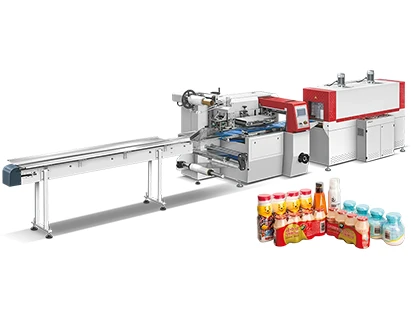
How Dual-Zone Design Saves Power on a Speed Shrink Packing Machine
Here is where the numbers start to matter. A typical high speed shrink packing machine with a conventional tunnel might draw anywhere from 15kW to 20kW or more. That is a significant load, especially on a production line running two or three shifts.
The dual-temperature zone design reduces that load in a few key ways.
First, independent zone control means you are not overheating the entire tunnel. The inlet zone can run at a lower temperature, which reduces overall power draw. The outlet zone handles the final shrink, but because the product is already preheated, it does not need to work as hard.
Second, efficient hot air circulation plays a big role. A well-designed dual-zone tunnel recirculates hot air within each zone rather than venting it out. That keeps the heat where it belongs—on the product—and reduces the amount of energy needed to maintain temperature.
Third, the insulation matters. Better insulation in a dual-zone tunnel means less heat loss to the surrounding environment. That is not just about saving energy; it also keeps the working area cooler and more comfortable for operators.
On a properly designed automatic shrink packing machine, these improvements add up to about 20% energy savings compared to conventional models. For a machine running 8 hours a day, 5 days a week, that is a real reduction in operating costs.
What This Means for Your Production Line
Energy savings are great, but they are only part of the story. The dual-temperature zone design also improves packaging quality, which reduces waste and rework.
Because each zone runs at its own temperature, you get more consistent shrinkage across different product sizes and film types. POF film, for example, shrinks best within a specific temperature range. If the tunnel is too hot, the film can burn or tear. Too cold, and it wrinkles. With independent zone control, you can fine-tune the temperature for the specific film you are using and get a clean, tight wrap every time.
That consistency also means less film waste. When the shrink is uneven, you end up with rejected packages that have to be rewrapped. That costs time and materials. A high speed shrink packing machine with precise temperature control reduces those rejects and keeps your line running smoothly.
There is also the maintenance angle. Running a tunnel at lower average temperatures puts less stress on heating elements and other components. That can extend the life of your equipment and reduce replacement costs over time.
The Bigger Picture: Total Cost of Ownership
When you are evaluating a shrink wrapping machine, the purchase price is just the starting point. The real cost is what it takes to keep it running.
Energy consumption is one of the largest ongoing costs for any packaging line. Over a year, the difference between a 15kW machine and an 18kW machine adds up to thousands of dollars in electricity alone. Add in the savings from reduced film waste and fewer rejected packages, and the gap widens even further.
A speed shrink packing machine with a dual-temperature zone tunnel may cost a bit more upfront than a basic single-zone model. But the payback period is often shorter than you think—especially if you are running high volumes.
The key is to look beyond the initial quote and consider the full lifecycle cost. Energy efficiency, packaging quality, and maintenance requirements all factor into the total cost of ownership. A machine that saves 20% on energy and 20% on film waste is not just a piece of equipment; it is an investment in your operating margin.
Summary
Choosing the right shrink packing machine is about more than just speed or price. It is about finding equipment that runs efficiently, consistently, and cost-effectively over the long haul.
The dual-temperature zone design is one of those features that makes a real difference on the production floor. It saves energy, improves packaging quality, and reduces waste—all while keeping your line running at speed. If you are in the market for a new machine, it is worth asking your supplier about the tunnel configuration and what kind of energy savings you can expect.
What to take away:
-
Dual-temperature zone tunnels use independent inlet and outlet zone controls for precise temperature management
-
Efficient hot air circulation and better insulation reduce energy consumption by up to 20%
-
Consistent shrinkage means less film waste and fewer rejected packages
-
Lower operating temperatures extend the life of heating elements and reduce maintenance costs
Ready to Cut Your Energy Costs?
Whether you are upgrading an existing line or setting up a new one, the right speed shrink packing machine can make a significant difference to your operating costs. Our team can help you evaluate your production requirements, recommend the right tunnel configuration, and provide a clear picture of the energy savings you can expect.
ContactUs to discuss your packaging goals and get a customized quote.