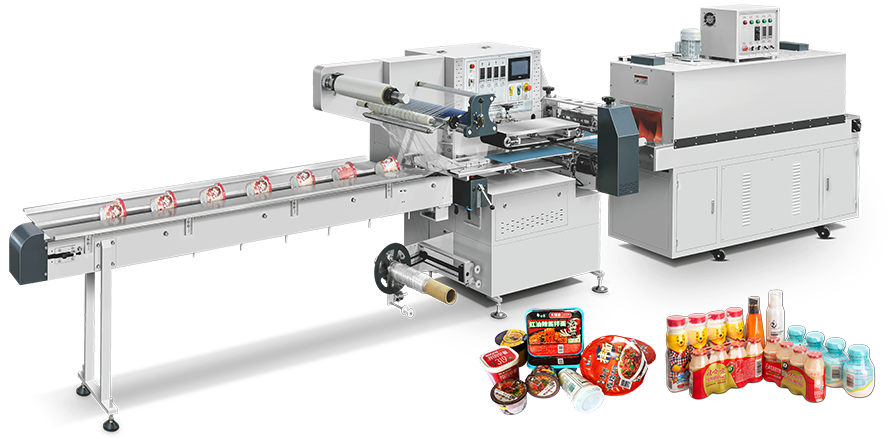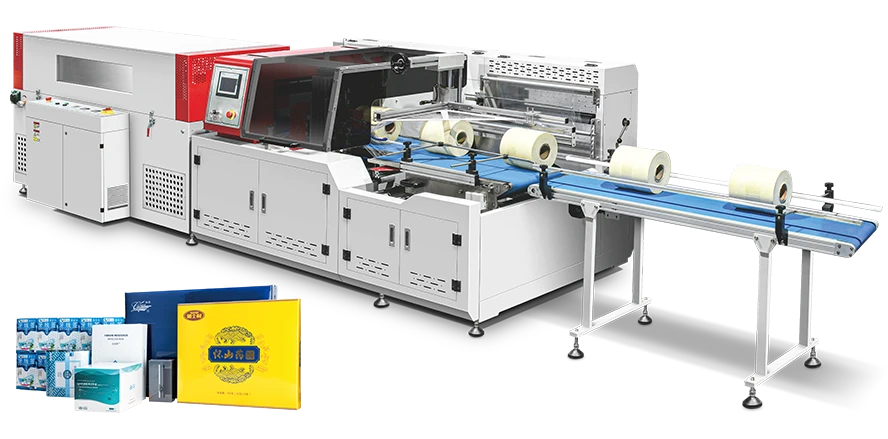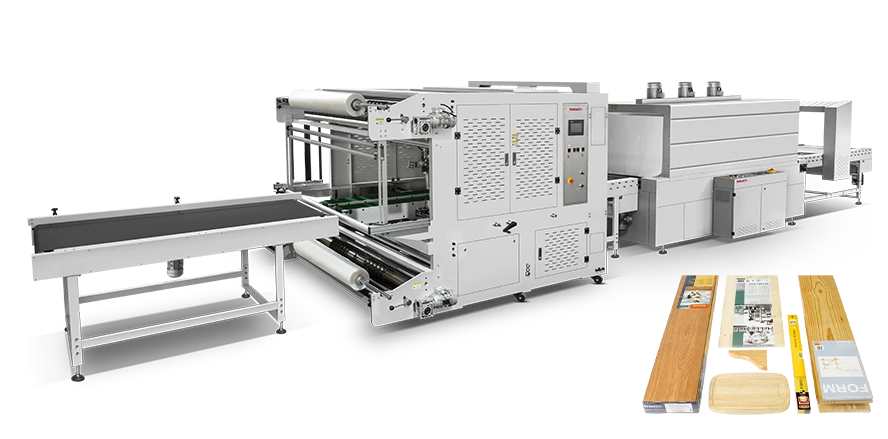

Most shrink packing machine spec sheets lead with a single impressive number: packs per minute. It is the first figure buyers compare, and often the only one they remember. But that number is measured under ideal conditions—one product size, one film type, a clean line, and a machine that has just been commissioned.
Your production floor is rarely ideal. Product sizes change. Film runs out. Operators make adjustments. The gap between rated speed and usable output is where most buyers get surprised after installation.
Why the Rated Speed on a Spec Sheet Rarely Matches Daily Output
A machine rated at 120 packs per minute may deliver 85–95 in a real shift. The difference comes from changeover time, short stops, film splice pauses, and the natural pace of upstream feeding. None of these appear on the spec sheet, but all of them affect your cost per pack.
This is not a reason to distrust manufacturers. It is a reason to read the spec sheet differently. Instead of asking "how fast can it go," ask "how much of that speed survives a full shift with my product mix."
Start with Your Product Mix, Not the Machine
Before comparing any two models, list what you actually pack. A machine chosen around your product mix will outperform a faster machine that was chosen around a brochure.
Product dimensions and film width
Cup diameter, box height, bundle length—these determine film width and the usable sealing window. If your product range spans from small cosmetic boxes to larger multi-packs, you need a shrink packing machine that can adjust forming and sealing geometry without a major tooling change.
Single items vs. multi-pack bundles
Single-item wrapping and multi-pack bundling place different demands on sealing, film tension, and tunnel airflow. A machine configured for one may technically run the other, but at lower efficiency or with more rejects. Be honest about how much of each you plan to run.
Calculate Usable Output, Not Peak Output
A practical formula: take the rated speed, subtract changeover time per shift, subtract estimated short stops, and subtract rejects. That number—usable packs per shift—is the one that should anchor your decision.
If a supplier cannot explain how their machine performs across a full shift with your specific product dimensions, the spec sheet is doing too much work in your decision.
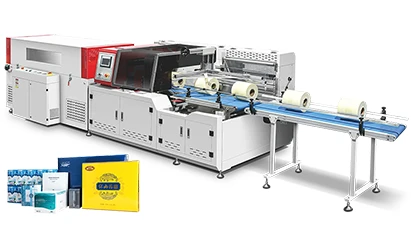
Where Film Waste and Changeover Time Fit into the Decision
Two costs rarely appear on a spec sheet but show up on every monthly report.
Film waste. Machines with wrapped film recovery and precise tension control typically save around 20% in film material compared with conventional center-fold designs. Over a year, that difference often exceeds the price gap between a budget model and a better-configured one.
Changeover time. If you run multiple SKUs, every size change carries a hidden labor cost. A machine with PLC recipe storage and servo-adjustable stations can cut same-category changeover to a few minutes. A mechanical cam design may take considerably longer.
When buyers ask how to choose a shrink packing machine for a multi-SKU line, this is the part that separates a good decision from an expensive lesson.
What Support Makes a Shrink Packing Machine Worth the Investment
Uptime depends on what happens after a fault. Three questions are worth asking before you sign:
-
How quickly can spare parts ship?
-
Is remote diagnosis available, or does every issue require an on-site visit?
-
Does installation include operator training, or only commissioning?
A machine with a strong service path reduces the real cost of downtime. A cheaper unit without that path often does not.
Summary: A Practical Checklist Before You Request a Quotation
Match the machine to your production reality, not the highest number on the sheet.
What to take away
-
Rated speed is a ceiling, not a daily average—calculate usable output per shift
-
Product mix and film width should drive the configuration before price does
-
Film recovery and short changeover time are ongoing savings, not optional extras
-
After-sales response speed belongs in your total cost calculation
-
Ask for a sample test with your actual product and film
Have a Specific Output Target in Mind?
Whether you are still comparing configurations or ready to narrow down a shortlist, the fastest way forward is a conversation grounded in your actual numbers. Share your product dimensions, film type, daily volume, and how many SKUs you run. We can help you match an automatic shrink packing machine to your line before you commit to a quotation.