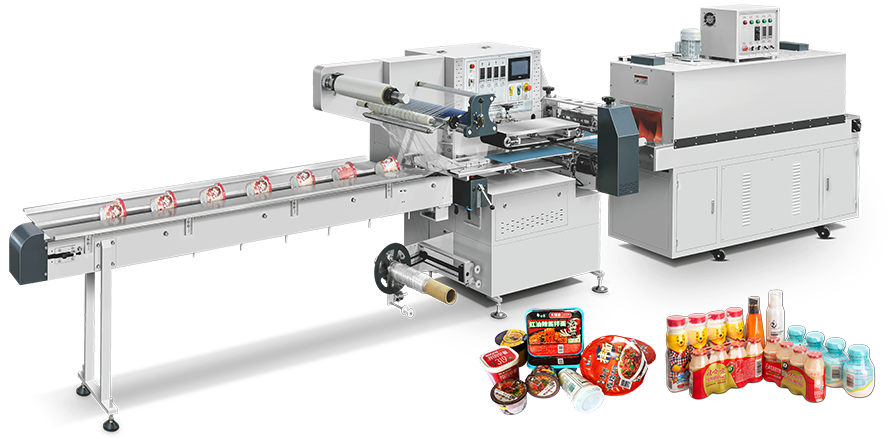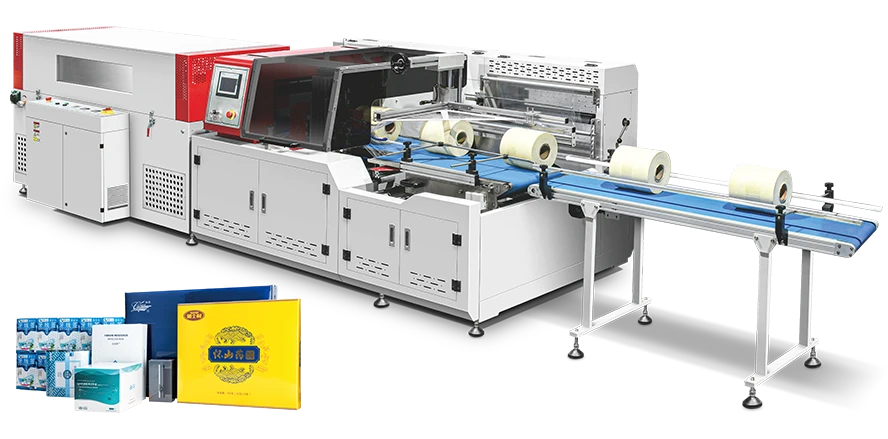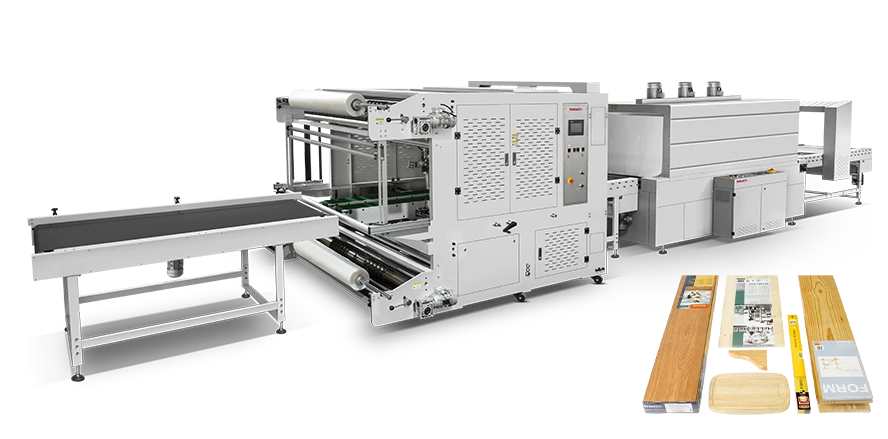

Walk onto a packaging line running a dozen SKUs and the machine itself is rarely the bottleneck. What eats capacity is the twenty minutes spent looking for the right change part, the ten minutes re-teaching a guide rail, the film that was never approved for the tunnel it’s now running through. Most buyers still evaluate a Shrink Wrapping Machine by comparing the number on the quote sheet. In 2026, that number is the least reliable figure in the room.
Three variables determine whether the equipment pays for itself: sustainable throughput, film compatibility, and changeover time. Treat them separately and each one looks manageable. Treat them as one decision—which is what they are—and the specification becomes clearer, and cheaper, over the machine’s life.
Why maximum speed is the wrong starting point
A side-seal wrapper rated at 120 packs per minute does not deliver 120 packs per minute across an eight-hour shift. Once changeovers, film threading, operator breaks, and reject recovery are counted, the realistic figure sits closer to 95–105 packs per minute. That gap is not a manufacturing flaw; it is the difference between a catalogue rating and a production environment.
The practical way to size a Shrink Wrapping Machine is to start from the shift, not the spec sheet. Record normal run rates and peak demand separately, then add 20–30% headroom if the line runs multiple shifts or volume is expected to grow. A machine that looks “right-sized” on paper against a peak figure will run under-loaded most of the month, while a machine sized only to the average will fail on the days that matter.
Film is not a consumable line item—it is a machine parameter
POF, PE, and PVC are not interchangeable consumables. They are different film families with different sealing windows, tunnel temperatures, and shrink forces, and a Shrink Wrapping Machine approved for one grade is not automatically approved for another. POF is typically the starting point for clear retail presentation and runs in a tunnel window of roughly 160–220°C. PE is chosen for heavier transit bundles and grouped packs, where puncture resistance matters more than gloss, and requires a hotter tunnel—often 180–240°C.
This matters to a buyer because sustainability-driven film changes are arriving faster than most equipment refresh cycles. Recyclable polyethylene-based films, thinner gauges, and post-consumer recycled content are moving from trial batches into standard purchasing specifications. A machine that cannot hold temperature tolerance across a thinner or recycled film will turn every film upgrade into a reject-rate problem. When evaluating a automatic shrink wrapping machine for cartons or grouped packs, ask for a film trial on the actual product, not a material-family assurance.
Changeover time is capacity you have already paid for
On a multi-SKU line, changeover time quietly consumes 15–25% of nominal production time in plants that have never measured it. The arithmetic is uncomfortable: a line that changes over six times a shift at twenty minutes each loses two hours of production per shift before a single reject is counted. Five minutes saved per changeover across eight changes is forty minutes of additional production time per shift.
This is where a Shrink Wrapping Machine specification either earns its keep or becomes a source of friction. The variables that matter are not marketing features; they are whether guides adjust without tools, whether recipe parameters are stored and recalled from a screen rather than re-entered by hand, and whether the sealing and tunnel settings travel with the product profile. A machine that runs 40 packs per minute across 50 SKUs without changeover friction outperforms one that runs 100 packs per minute and needs fifteen minutes of adjustment between products. Changeover performance belongs in the factory acceptance test alongside seal integrity and film waste, because it is the variable most likely to be omitted from the quotation and most likely to determine the line’s real cost per pack.
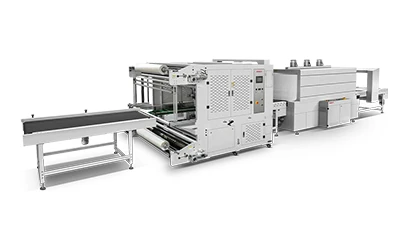
The three variables converge in total cost of ownership
Throughput, film, and changeover are usually budgeted in separate conversations. They should not be. A machine specified for maximum speed but not for changeover flexibility will lose its rated output to setup time. A machine specified for a single film grade will face a costly re-specification the moment procurement shifts to a recyclable or downgauged film. And a machine that runs a thinner film without the temperature stability to match will convert film savings into film waste.
A Shrink Wrapping Machine that survives a 2026 procurement review is one where the supplier can show how the three variables were tested together: a sustainable throughput figure that includes changeovers, a film trial on the buyer’s actual material and product, and a changeover procedure measured in minutes rather than described in adjectives. Buyers who separate those questions tend to discover the connection later, on the production floor.
A specification conversation, not a quotation comparison
If you are comparing automatic shrink wrapping machine for cartons or wide-format systems for the coming year, start with three numbers from your own line: realistic packs per shift, the number of changeovers per week, and the film grade you expect to be running in eighteen months. Those three figures will narrow the field faster than any catalogue.
Our team works through throughput, film compatibility, and changeover requirements as a single specification before a quotation is issued. Share your product dimensions, current film specification, and changeover frequency, and we will map them against the machine configuration that fits—not the one with the highest advertised speed.