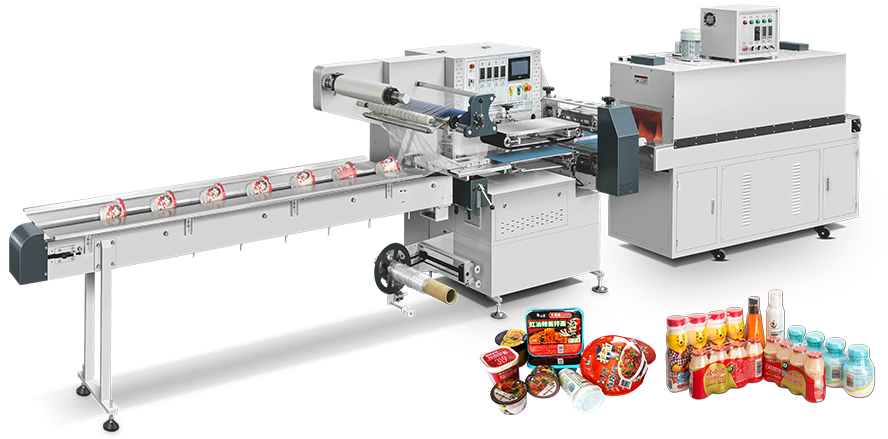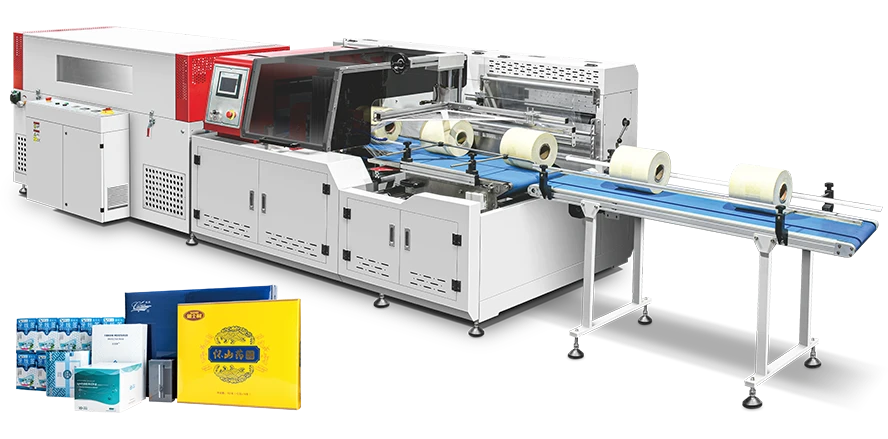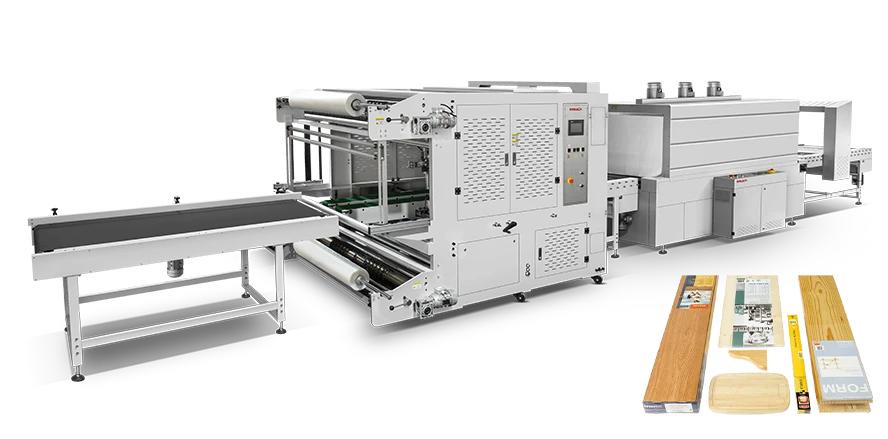

Film off-track is one of those problems that starts small and gets expensive fast. At first, you might notice the film drifting slightly to one side. Then come the wrinkles, the weak seals, and the film jams that force you to stop the line. On a high speed shrink packing machine running at 120 packs per minute, even a few minutes of downtime adds up quickly.
The good news is that film off-track is rarely a mystery. In most cases, it comes down to a handful of mechanical or settings-related issues. Once you know where to look, you can usually get the film back on track within minutes—not hours.
Why Film Drifts Off Track
Film tracking problems almost always have a physical cause. The film is being pulled through the machine under tension, and anything that disrupts that balance will push it to one side.
Uneven Film Roll Positioning
If the film roll is not sitting perfectly centered on its shaft, the film will naturally feed at an angle. Even a few millimeters of offset can cause the film to wander as it travels through the guide rollers. Always check that the roll is locked in the center position before starting production.
Left and Right Tension Imbalance
The film passes through multiple tension points before it reaches the sealing station. If the left and right tension springs are set differently, one side of the film will move faster than the other. This is one of the most common causes of film off-track on any automatic shrink packing machine.
Photo Eye Sensitivity or Position
The photo eye tells the machine where the film is. If it is dirty, misaligned, or set too sensitive, the machine may read the film position incorrectly and make unnecessary corrections. That leads to over-adjustment, which then pushes the film off track in the opposite direction.
Guide Triangle Angle
The guide triangle—sometimes called the forming collar—shapes the film as it wraps around the product. If the angle is off, the film will not sit evenly on the product. This is especially common after a size changeover when the forming device has been adjusted.
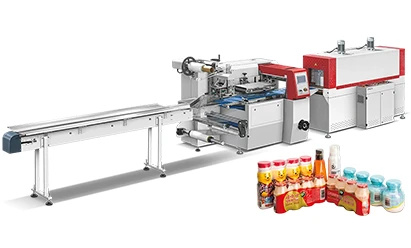
How to Diagnose and Fix the Problem
Start with the simplest checks first. Most film tracking issues can be resolved without calling a technician.
Step 1: Center the Film Roll
Power down the machine and inspect the film roll. Make sure it is centered on the shaft and that the locking collar is tight. If the roll has been sitting for a while, check for any deformation or uneven winding. A damaged roll will never track properly, no matter how well you adjust the machine.
Step 2: Balance the Tension
Adjust the left and right tension springs so they apply equal pressure. A simple way to check: pull a section of film gently from both sides and feel the resistance. If one side feels tighter, adjust it until they match. On a well-maintained continuous motion flow type heat shrink packing machine, this should take less than five minutes.
Step 3: Clean and Recalibrate the Photo Eye
Wipe the photo eye lens with a soft, dry cloth. Check that it is positioned correctly according to the manual. If the sensitivity is adjustable, start at the recommended setting and make small changes only if needed. Over-adjusting the photo eye is a common mistake that makes tracking worse.
Step 4: Check the Guide Triangle
Inspect the guide triangle for any bends or misalignment. If you recently changed product size, this is the first place to look. The angle should match the film width and product height. A quick visual check against the setup guide will usually reveal the problem.
Preventing Film Off-Track in Daily Production
Fixing the problem is good. Preventing it is better.
Routine Checks That Take Less Than Five Minutes
At the start of each shift, check the film roll position, tension springs, and photo eye. During production, watch for early signs of drifting—slight wrinkles on one side, or film edge curling. Catching it early prevents a full line stop later.
When to Call for Technical Support
If you have centered the roll, balanced the tension, cleaned the photo eye, and checked the guide triangle, but the film still drifts, the issue may be mechanical. Worn rollers, a bent shaft, or a misaligned sealing cutter can all cause tracking problems. This is when remote diagnosis or an on-site technician becomes the faster solution.
Why Machine Design Matters
Not all shrink packing machines handle film tracking the same way. Machines with independent servo control for film delivery can maintain tension more consistently, especially at high speeds. A PLC color touch screen with saved recipes also helps—when you switch products, the machine returns to the correct settings automatically instead of relying on manual adjustment.
Features like a wrap-around scrap recycling device and precise tension control do more than save material. They also keep the film path stable, which reduces the chance of off-track issues during long production runs.
Final Thoughts
Film off-track is frustrating, but it is also one of the most fixable problems on a shrink packing machine. Start with the roll, check the tension, clean the photo eye, and inspect the guide triangle. In most cases, that is enough to get you back to full speed.
If you are still dealing with repeated tracking issues, or if you are evaluating a new machine for your line, we can help. Send us a short video of the problem or your product samples, and our team will recommend the right configuration—whether you need a high speed flow sealing electrostatic adherence type, a side sealing model, or a custom solution for your specific product.
Contact us today to discuss your shrink packing machine requirements and get a free line assessment.