
Most packaging lines are not retired because the frame fails. They are retired because the line stops fitting the business. A product mix shifts, a film specification changes, a new SKU demands a sealing width the original machine was never built to handle. The steel is still standing. The economics are not.
That is the problem modular design is meant to solve. On a well-engineered shrink wrapping machine, modules are not decorative features. They are the difference between a capital asset that adapts and one that becomes a bottleneck the moment your production profile changes.
What “Modular” Actually Means on a Packaging Line
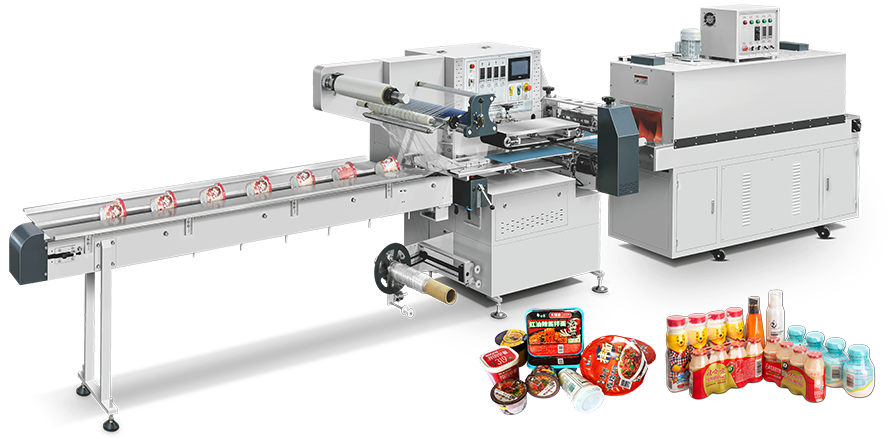
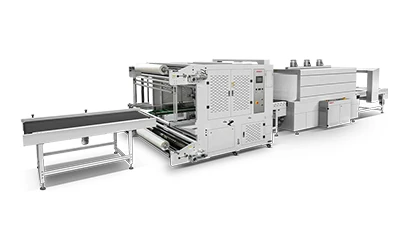
Modularity is often used loosely. On a shrink wrapping machine worth considering, it should mean something specific: the sealing station, film carriage, shrink tunnel, and infeed guides are independent assemblies that can be removed, replaced, or upgraded without cutting into the main frame.
This matters because the failure modes that end a machine’s useful life are rarely structural. They are functional. A sealing jaw wears. A tunnel’s heating profile no longer suits a thinner film. The film width envelope is too narrow for a new product family. On a monolithic machine, any one of these forces a rebuild or a replacement. On a modular platform, the affected module is swapped, and the rest of the asset keeps earning.
It also changes how maintenance is performed. When a component is a standalone module, service work happens on the module, not inside the whole machine. One industry analysis found that heater bank replacement on a non-modular design consumed roughly 8.5 labour hours, compared with about 1.2 hours on a plug-and-play module architecture. That gap is not a maintenance convenience. It is uptime.
The 12+ Year Claim: Where It Comes From
A 12-year service life is not a marketing invention. It is an outcome of how the asset is structured. Standard shrink wrapping systems in the United States are replaced on a 7–12 year cycle, while premium systems commonly run 10–15 years. The difference between the two bands is rarely the thickness of the steel. It is whether the machine can absorb change without a full replacement.
Modular architectures push a line toward the upper end of that range because they decouple wear from obsolescence. The high-wear modules — sealing assemblies, film carriages, tunnel components — can be renewed on their own schedule. The structural frame and drive architecture, which represent the largest share of capital, remain in service. Sidel’s EvoFilm platform, for example, is built around standard independent modules explicitly to simplify future upgrades and extend ROI across the machine lifecycle. Industry trend reporting in 2026 has noted that swappable module design can extend machine lifespan from a conventional 8 years into the 12+ year territory.
The long-term financial logic is straightforward. Over a 7–10 year service life, film, energy, spares, and downtime typically outweigh the initial capital quote by three to five times on a mid-volume European line. A machine that reaches 12 years without a mid-life replacement spreads that capital base further and avoids the installation, commissioning, and ramp-up costs of a second purchase.
Changeover Speed Is a Lifespan Issue, Not Just a Convenience
There is a less obvious way modularity protects the asset: it changes how often the machine is pushed outside its designed operating envelope. On a multi-SKU line, operators under pressure to hit output targets will run a machine at settings it was not intended to sustain — a film tension stretched, a tunnel temperature pushed, a sealing jaw asked to close on a product geometry it was not sized for. Those compromises accelerate wear.
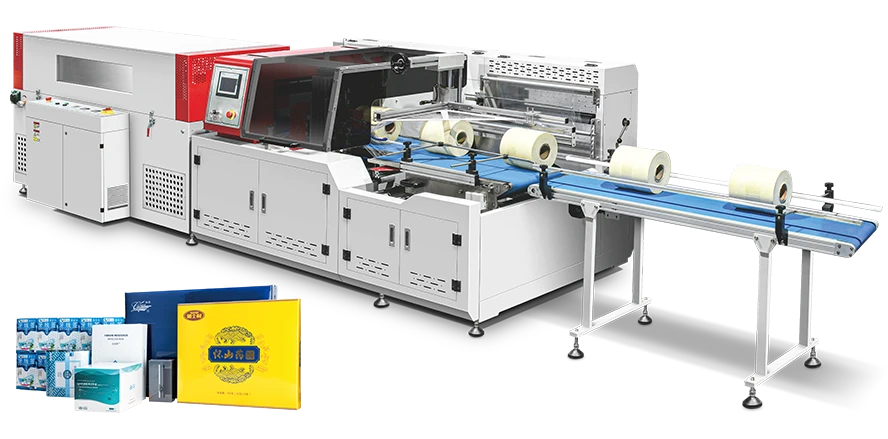
When changeover is fast and repeatable, that pressure drops. On a continuous side-seal shrink wrapping machine with recipe-driven settings, changeovers that once took half an hour can be compressed toward single-digit minutes when the mechanical work is structured around swappable change parts and pre-staged modules. The operator is not forced to improvise. The machine stays within its intended parameters. The cumulative effect on bearing life, seal quality, and tunnel component longevity is quiet but real.
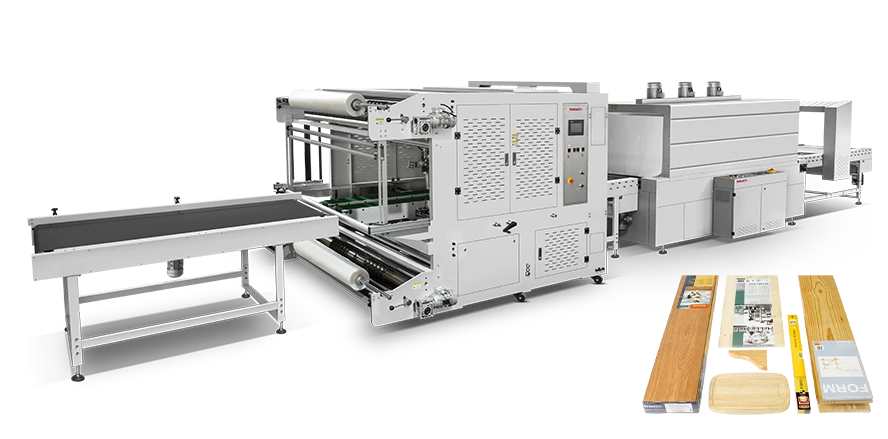
This is also where modular design and multi-SKU reality meet. A packaging operation running dozens of formats does not need a different machine for each one. It needs a platform where the modules that touch the product — infeed guides, sealing width, film handling — can be reconfigured without dismantling the line.
Support and Spare Parts: The Part Most Buyers Learn Too Late
A machine that can last 12 years only delivers that life if the modules remain supportable. This is the question that separates a genuine modular platform from a machine with a few removable covers.
Ask a supplier three things before treating “modular” as a lifespan advantage. First, whether the same module interface is retained across model years, so an upgrade purchased in year seven is mechanically compatible with a frame built in year one. Second, whether the high-wear modules are stocked as standalone service parts rather than buried inside larger assemblies. Third, whether the control architecture supports module-level replacement without a full software revalidation.
When those conditions hold, the maintenance budget shifts from emergency repairs to planned module exchange. That is a fundamentally different cost profile from a machine where a failed component forces a line stoppage while a bespoke assembly is manufactured and shipped.
Summary
A modular shrink wrapping machine is not a cheaper machine. It is a machine designed to be kept. The frame stays. The modules evolve. The line absorbs product changes without absorbing a replacement capital cycle. For a packaging operation that expects its product mix to look different in five years than it does today, that is the more relevant specification than any single speed figure on a quote sheet.
If you are evaluating a shrink wrapping machine for a multi-SKU line and want to understand how module configuration maps to your specific product envelope, send our team your format list and film specification. We will walk through which modules are fixed, which are swappable, and what the upgrade path looks like beyond the warranty period.