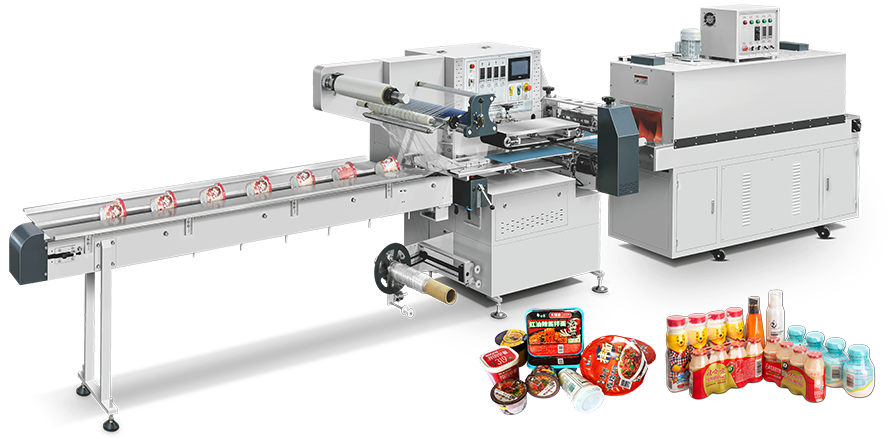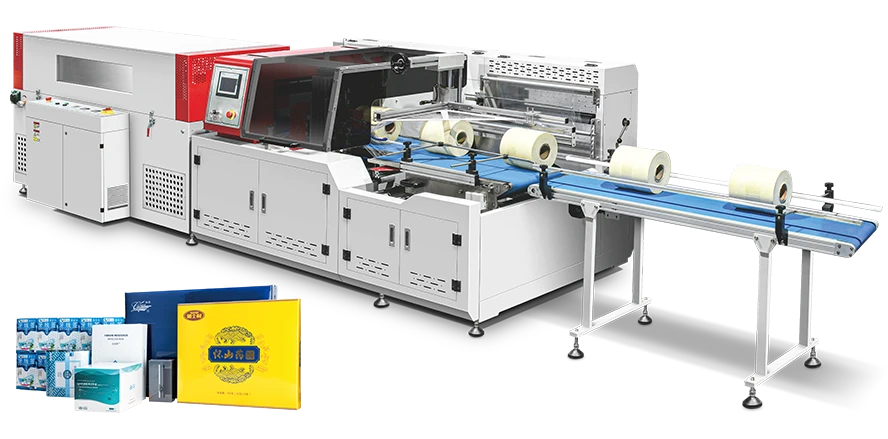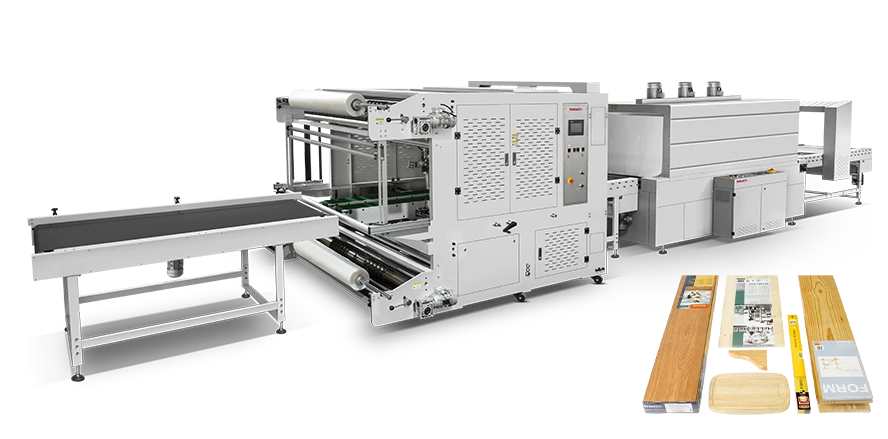

A weak seal is easy to miss at first. The package looks fine coming out of the sealing station. Then it goes through the shrink tunnel, gets stacked, shipped, and the seam opens. If you run an automatic shrink packing machine, that kind of failure costs more than film—it costs trust. The good news is that most seal problems come from a short list of causes, and you can usually narrow them down in a few minutes.
Start With Heat, Pressure, and Dwell Time
The Three Variables Behind Most Weak Seals
Sealing is a balance. The knife needs enough heat to melt the PE or PLA coating, enough pressure to fuse the layers, and enough dwell time to let the bond form. If the sealing knife on your shrink packing machine runs too cool, the seal may look closed but peel apart later. If it runs too hot, the film can burn, stick to the Teflon tape, or tear at the edge.
Pressure matters just as much. A worn spring, a loose locking handle, or uneven knife alignment can leave one side of the seal weaker than the other. Before you change any settings, check the basics: actual knife temperature, air pressure, and whether the seal bar is sitting parallel to the anvil.
The Film Is Often the Real Problem
POF Film Quality, Thickness, and Storage
Not every seal failure starts at the sealing station. POF film that has absorbed moisture, sat in a warehouse too long, or varies in thickness will seal differently from one roll to the next. On a POF film shrink packing machine, the common range is 11–19 μm. Film that is too thin can burn through before the seal forms. Film that is too thick may need more dwell time than the machine is set for.
Also check the roll itself: a tight or damaged edge can pull the film off track, so the seal bar closes on a wrinkle instead of two flat layers. Store film in a dry area and use stock in rotation.
Mechanical and Electrical Causes
Cutter Wear, Alignment, and Timing
On a high speed shrink packing machine, timing drift is a real issue. The cutter and film feed must stay in sync. If the servo parameters are off, or the knife return spring is weak, the seal may not get full pressure at the moment of contact. Teflon tape that is scratched or missing will cause sticking, and a sticking seal often tears when the clamp opens.
Check the cutter for nicks, replace worn Teflon tape, and confirm that the sealing jaw closes evenly. If the machine uses a continuous motion flow wrapper, pay attention to the rotary cutter and the film tension arm—small changes there can show up as weak seals downstream.
A Quick Diagnostic Table for Your Shrink Packing Machine
| Symptom | Likely Cause | What to Check |
|---|---|---|
| Seal peels apart after cooling | Knife temperature too low, pressure too low, or dwell time too short | Temp setting, air pressure, spring tension |
| Seal is burned, torn, or stuck to the knife | Temperature too high, speed too slow, or dirty Teflon tape | Lower temp, increase speed, replace tape |
| One side of the seal is weak | Uneven knife pressure or misaligned jaw | Parallel alignment, locking handle, worn parts |
| Seal opens only after the tunnel | Tunnel temperature too high or film still hot when stacked | Lower tunnel zone, adjust conveyor speed |
How to Prevent Seal Failure Before It Stops the Line
Daily, Weekly, and Monthly Checks
Most seal failures give warning signs. A slight change in seal appearance, a bit more smoke, or a film that starts curling at the edge are all early clues. Clean the sealing jaw daily. Wipe the photo eye lens. Check air pressure and drain the filter. Once a week, inspect the Teflon tape and the cutter. Once a month, tighten the sealing assembly and check the heater and thermocouple.
Keep a simple log of temperature, pressure, and film lot number. When a seal fails, that log tells you whether the problem came from the machine or the film. It also makes remote diagnosis much faster if you need support.
Summary
What to Take Away
Weak seals on a Shrink Packing Machine are rarely a mystery. They usually come down to heat, pressure, film, or timing. Start with the simplest checks: temperature, air pressure, and jaw alignment. Then look at the film roll and the cutter. If the problem follows one film lot, it is likely the film. If it follows one machine setting, it is likely the setup. If it follows one side of the seal, it is mechanical. Fixing the cause instead of turning up the temperature will give you a stronger seal and fewer surprises after the tunnel.
Have a specific sealing issue you can't solve?
Send us a sample of the film and a photo of the failed seal. Our team can review your settings, recommend the right temperature and dwell time, and help you choose the correct spare parts for your Shrink Packing Machine. Whether you are running a servo shrink packing machine or an older continuous motion flow wrapper, we can help you get a clean, consistent seal again. Contact us for a free technical review.