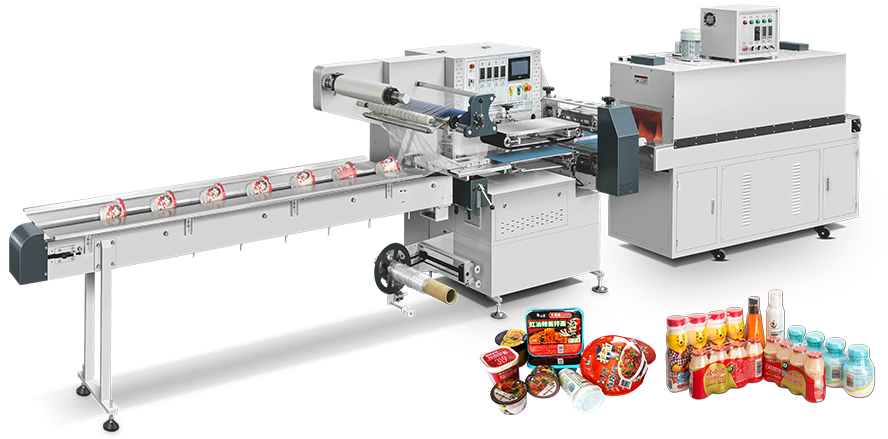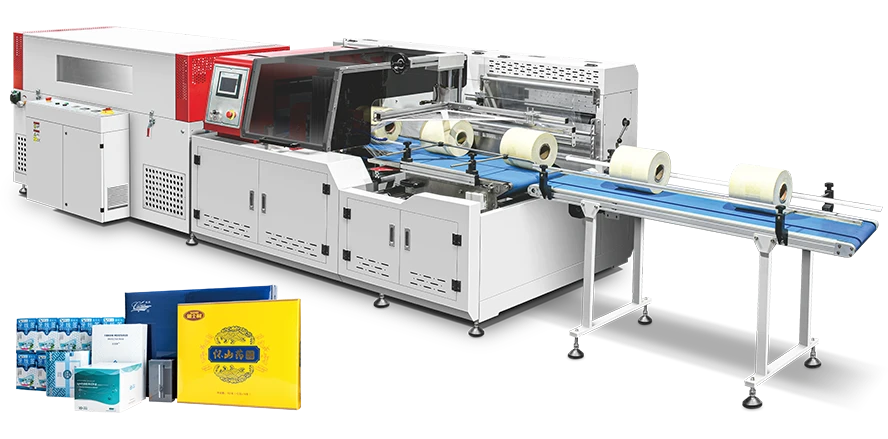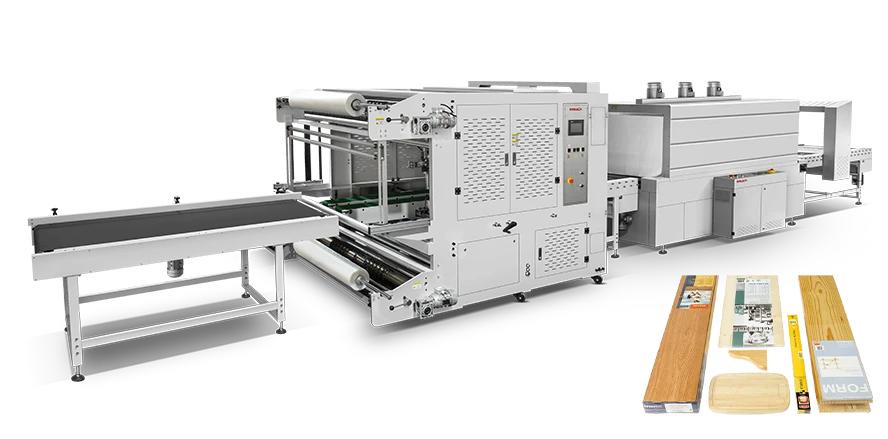

When the temperature drops, your shrink packing machine doesn’t just run a little slower—it can start producing rejects. Film turns brittle, seals come out weak, and unexpected downtime becomes a daily headache. The good news is that a few simple routines can keep your line running smoothly all winter long.
Why Cold Weather Affects Your Shrink Packing Machine
Cold air changes how packaging film behaves. POF and PE shrink films stiffen, making them harder to feed through the rollers and seal properly. Lubricants thicken, forcing motors to work harder. And if your machine sits in an unheated warehouse overnight, the shrink tunnel needs extra time to reach a stable temperature. Ignoring these factors leads to film jams, off-track wrapping, and inconsistent seals—exactly the problems that eat into your output.
Preheating: The First Step to Stable Production
You wouldn’t drive a car hard on a freezing engine. The same logic applies to your shrink packing machine. A proper warm-up brings the sealing cutter, tunnel, and film transport system up to operating temperature. This prevents thermal shock and ensures the first few packs match the quality of the last ones.
How Long Should You Preheat?
Most manufacturers recommend 20 to 30 minutes when the ambient temperature is below 10°C (50°F). If your machine runs in an unheated space or the tunnel has thick insulation, give it a full 30 minutes. Don’t rush—starting production early usually costs more time in rejected products than you save.
Step-by-Step Preheating Routine
Start by turning on the shrink tunnel and setting the temperature to your normal operating range. Let it stabilize while you check the film path. Then power up the sealing and cutting station. Run a few empty cycles to distribute heat evenly across the cutter. Finally, feed a handful of sample products to fine-tune speed and tension before full production.
Maintenance Tips for Cold Weather Operation
Cold weather stresses every moving part. These are the areas that need extra attention when temperatures drop.
Lubrication and Moving Parts
Grease thickens in low temperatures, increasing friction on chains, bearings, and guide rails. Switch to a low-temperature lubricant or check with your supplier for a winter-grade grease. Wipe away old grease before applying new—mixing brands can cause gumming and lead to costly repairs.
Film Tension and Storage
Cold film loses elasticity. Store film rolls in a heated room (15–25°C) for at least 24 hours before use. On the machine, reduce tension slightly to compensate for stiffness. If you notice film snapping or wrinkling, adjust the brake or dancer arm gradually—small changes go a long way.
Tunnel Temperature and Insulation
A shrink tunnel loses heat faster in cold rooms. Check door seals and insulation panels for wear. If your tunnel struggles to hold temperature, adding a simple thermal curtain at the entry and exit can help. Also, keep the area around the machine free of cold drafts from open doors or fans.
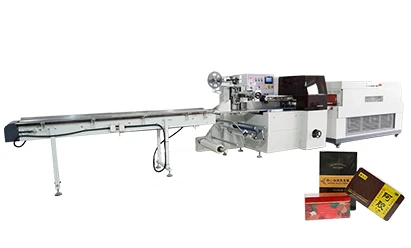
Common Cold-Weather Issues and How to Avoid Them
Even with precautions, problems can appear. Weak seals often mean the cutter isn’t hot enough—increase temperature by 5–10°C and slow the line slightly. Film off-track usually points to uneven tension; recheck the film roll centering and guide rollers. If the tunnel fogs up, reduce humidity by improving ventilation or using a dehumidifier nearby.
Final Thoughts
Winter doesn’t have to mean lost output. With a consistent preheating routine and a few maintenance adjustments, your automatic shrink packing machine will keep delivering tight, professional wraps. Treat cold weather as a variable to manage, not a reason to slow down.
Need help selecting a high speed shrink packing machine built for your climate? Or looking for spare parts that perform in low temperatures? Contact our team for a free consultation and quote.