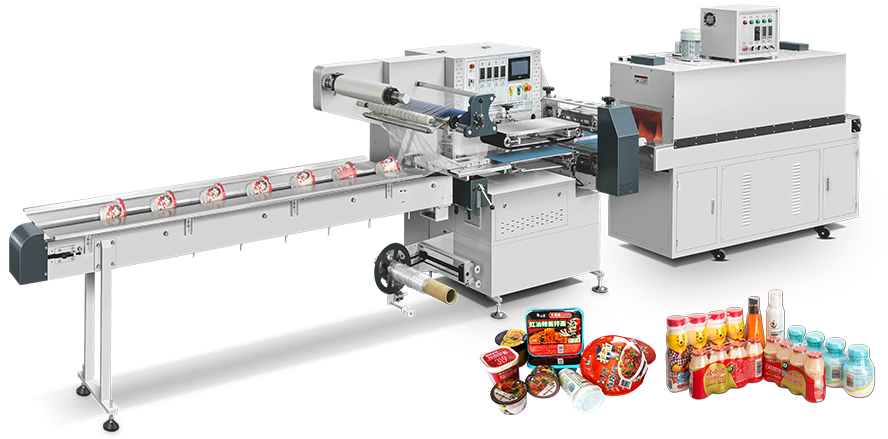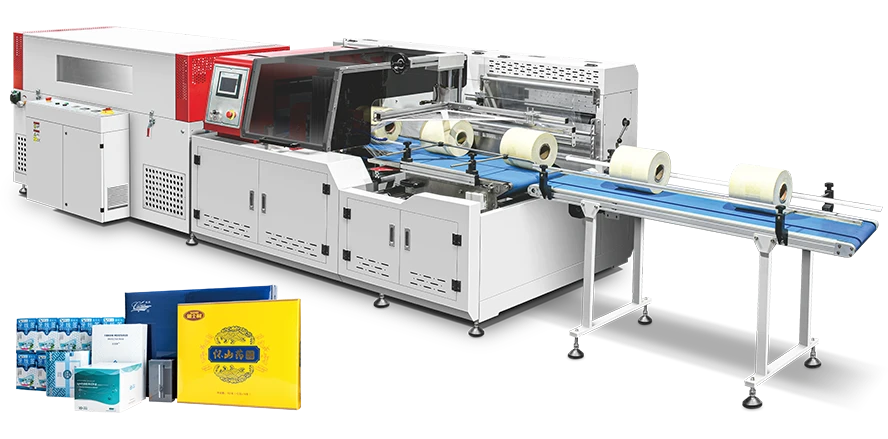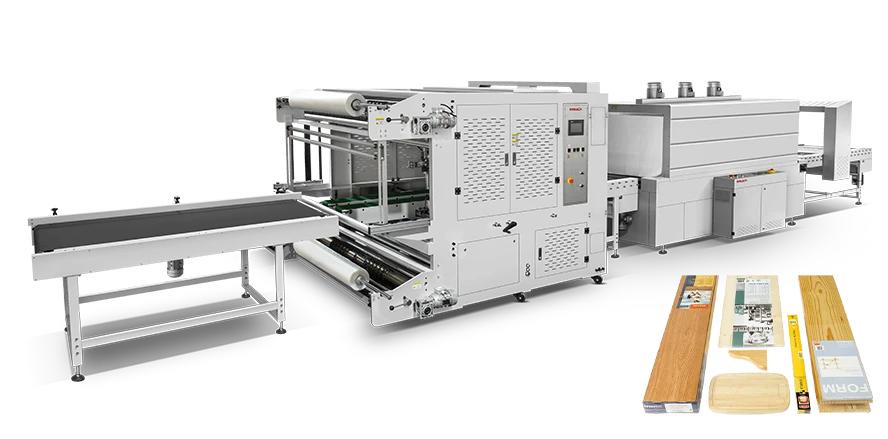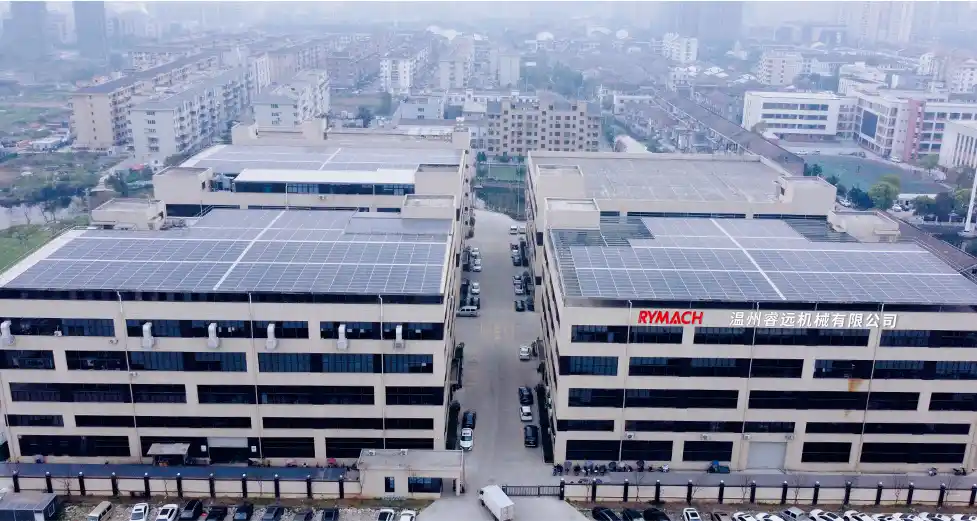

If you're shopping for packaging equipment, you've probably noticed that nearly every supplier claims their machine is "high speed" and "servo-driven." But here's the thing: not all high-speed machines are built the same, and not every servo-driven system delivers the same results.
The difference between a machine that runs reliably at 150 packs per minute and one that spends half its life being adjusted comes down to how well the speed and the drive system work together. Your next automatic shrink packing machine needs both—and understanding why will save you a lot of headaches down the road.
Why Speed Alone Isn't Enough
Let's be honest: speed sells. When you see a machine rated for 180 or 200 packs per minute, it's easy to get excited. Who wouldn't want that kind of throughput?
But speed without control is just chaos. A machine that runs fast but can't maintain consistent seal quality, or one that jams every time you change products, isn't going to deliver the output you're paying for. Conventional mechanical machines can hit decent speeds, but they do it with a lot of moving parts, a lot of maintenance, and very little flexibility.
That's where servo-driven technology changes the game. Servo systems don't just make a machine faster—they make it smarter.
What High Speed Actually Delivers
A properly engineered high speed shrink wrapper transforms your packaging line. Instead of being the bottleneck, packaging becomes one of the fastest parts of your operation.
For beverage bottlers running 120+ packs per minute, or food manufacturers handling high-volume production, the throughput gains are substantial. But the real value isn't just in the number on the spec sheet. It's in the consistency. A machine that runs at high speed without frequent stops delivers more usable output in a shift than a faster-rated machine that keeps breaking down.
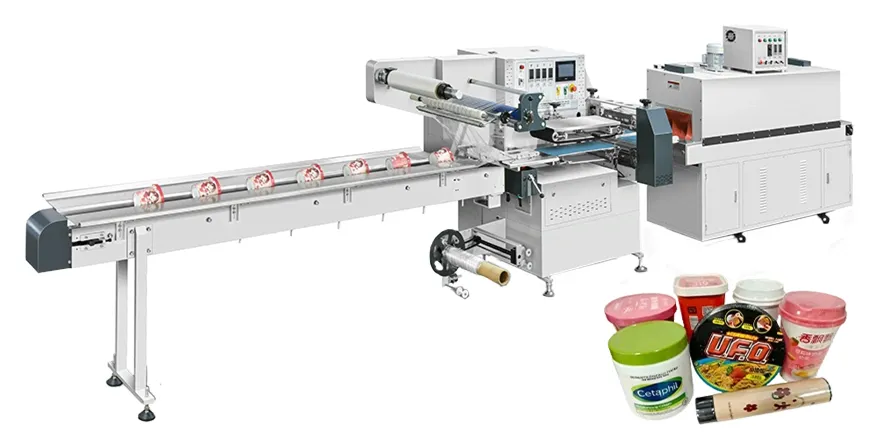
How Servo Drive Systems Actually Work
To understand why servo-driven matters, you need to know what's happening inside the machine.
Traditional mechanical shrink wrappers use a main drive shaft with cams and gears that control each station. Everything is mechanically linked. When you want to change a parameter—say, adjusting for a different product length—you're reaching for wrenches and physically repositioning components. It's time-consuming and relies heavily on operator skill.
A servo-driven automatic shrink wrapping machine replaces those mechanical linkages with software. Each axis has its own servo motor and drive, controlled by the machine's PLC. The master servo acts like the main drive shaft, and all the other servo axes—called "slaves"—are referenced to it in software.
What This Means for Your Operation
Precision. Servo systems provide accuracy down to 1/16th of an inch. That level of precision means less film waste, tighter packages, and fewer rejects. One manufacturer reported their reject rate dropped from 15-20% to about 2% after switching to a fully servo-driven machine.
Flexibility. Changing product sizes on a servo machine is a matter of calling up a new recipe on the touchscreen. The servos adjust timing, sealing parameters, and film feed automatically. No wrenches. No guesswork. Changeover time drops from hours to minutes.
Cleaner operation. Servo systems eliminate the need for pneumatic components and complex mechanical linkages. Fewer parts mean fewer things to break, less lubrication required, and no risk of oil contamination on your packaging.
Less maintenance. With 65% fewer moving parts than mechanical machines, servo-driven equipment simply requires less upkeep. Servo drives also provide smoother acceleration and deceleration, which extends the life of the machine.
Key Components of a Servo-Driven Shrink Wrapper
A modern automatic shrink packing machine typically uses three or more independent servo motors.
The three critical servos:
Infeed conveyor servo — Controls product feeding speed and ensures consistent spacing between items. This is critical for maintaining throughput without jams.
Sealing cutter servo — Manages the transverse sealing and cutting action. With servo control, the seal head can synchronize with product movement for continuous motion sealing, eliminating stop-start delays.
Film delivery servo — Controls film feed tension and speed. Servo drives on the film unwind gently "push" rather than "pull" the film, preventing stretching and tearing. Better tension control also allows use of thinner, lower-cost films.
Some machines use additional servos for functions like film forming, collating, and shrink tunnel conveyor control. The more axes you have under servo control, the more precisely you can tune each stage of the packaging process.
The Cost Equation: Upfront vs. Long-Term
It's true that servo-driven machines generally cost more upfront than their mechanical counterparts. But the long-term economics tell a different story.
Material savings. Precise servo control means you use less film per package. One manufacturer reported using 15% less packaging material after switching to servo-driven equipment. Another achieved film savings of up to 2 inches per package compared to competitive machines. Over millions of packages, that adds up fast.
Energy savings. Servo drives are inherently more efficient than mechanical systems. They only draw power when they're doing work, and they can even recapture energy during deceleration phases. Some users report energy savings of up to 50% with servo-driven systems.
Reduced downtime. Every minute your line is down costs money. Servo machines break less often, and when they do need attention, the PLC provides diagnostic information that helps technicians identify and fix problems faster.
Labor savings. Faster changeovers mean less operator time spent adjusting the machine. Consistent operation means less time spent troubleshooting rejects. Over the life of the machine, these labor savings are significant.
Applications That Benefit Most
An automatic shrink packing machine with servo-driven high-speed capability serves a wide range of industries, but the ROI is particularly strong in certain applications.
Beverage multi-packs — Bottling plants running 100+ packs per minute need speed and reliability. Servo-driven machines handle the high throughput while maintaining consistent wrap quality.
Food products — Instant noodles, snack boxes, and prepared meals. Continuous motion sealing, made possible by servo control, keeps the line moving without stop-start delays.
Personal care and cosmetics — Soaps, lotions, and aerosol cans. Servo precision ensures tight, professional-looking packages that enhance shelf appeal.
Household goods — Tissue boxes, trash bag rolls, and cleaning products. High-speed shrink wrappers can handle the volume while keeping per-unit costs low.
Printed materials — Books, magazines, and catalogs. Servo control allows precise registration with printed film, ensuring graphics align correctly on every package.
Common Concerns—and Why They're Misplaced
Some buyers hesitate on servo-driven equipment because they're worried about complexity. "What if we can't troubleshoot it?" "What if we need specialized training?"
Here's the reality: servo machines are actually easier to operate and maintain than mechanical ones.
The PLC touchscreen provides clear diagnostics. When something goes wrong, the system tells you where to look. Mechanical machines, by contrast, require a technician to trace problems through a maze of cams, gears, and linkages.
And because servo machines have fewer moving parts, there's simply less that can go wrong. The learning curve for operators is shorter, not longer.
What to Look for in Your Next Machine
When you're evaluating an automatic shrink packing machine, here's what to prioritize:
Number of servo axes — More independent servo motors mean finer control. Three is the minimum for a capable high-speed machine; five or more gives you even greater flexibility.Changeover capability — Can you store recipes for multiple products? How long does a typical changeover take? Look for machines that can switch sizes in 5-10 minutes.Film compatibility — Will the machine run the film types and thicknesses you need? Servo-controlled film delivery systems typically handle a wider range of films than mechanical ones.Shrink tunnel integration — The shrink tunnel should be matched to the wrapper's speed. Look for dual-zone temperature control with efficient hot air circulation.Support and documentation — Even the best machine needs occasional support. Make sure your supplier offers comprehensive documentation, remote diagnostic capability, and responsive service.
Making the Right Choice
Choosing packaging equipment isn't just about picking a machine. It's about setting up your line for consistent output, manageable maintenance, and the flexibility to handle different products as your business grows.
Key takeaways:
High speed without servo control is just fast chaos—servo systems deliver the precision that makes high speed actually productive.Fewer moving parts mean less maintenance and fewer breakdowns.Servo-driven machines save material, energy, and labor over their lifetime.Quick changeover capability keeps your line running across multiple product SKUs.The upfront cost is higher, but the long-term ROI makes servo-driven equipment the smarter investment.
Ready to Upgrade Your Packaging Line?
Whether you're running beverages, food products, or consumer goods, the right automatic shrink packing machine can transform your end-of-line packaging. Speed matters. Precision matters. And servo-driven technology delivers both.