
Walk onto any packaging floor and you will see the same thing—products of all shapes, sizes, and weights moving down the line. Some are tall and cylindrical. Others are flat and rectangular. A few are awkwardly shaped, the kind that makes operators sigh. And somewhere along that line, there is a shrink wrapping machine trying to keep up.
The problem is that most shrink wrapping machines on the market look similar on the surface. They all have a sealing bar and a heat tunnel. But once you start running actual products through them—different SKUs, different dimensions, different packaging counts—the differences become painfully obvious. Pick the wrong shrink wrapping machine, and you are dealing with inconsistent seals, wrinkled film, frequent changeover delays, and material waste that eats into your margins. Understanding what makes a shrink wrapping machine adaptable to your product range matters more than just comparing speeds or price tags.
Start with Your Products, Not the Machine
Before looking at any equipment, take a hard look at what you are actually wrapping. The size, shape, and weight of your products will determine nearly every other decision you make.
Ask yourself: Are your products uniform or irregular? Are they fragile or rigid? Do you wrap single items or bundle multiples—2-packs, 6-packs, 12-packs? A product line that includes both slim cosmetic tubes and bulky rectangular boxes demands a very different shrink wrapping machine than one that only handles flat books.
Small, lightweight items might only need a basic sealer and a heat gun. Larger or heavier products, on the other hand, require a more robust machine with a conveyor system that can handle the load without tipping or shifting. And if your product mix changes frequently—say, you run different SKUs every day—you need a shrink wrapping machine that can adjust quickly without a mechanic standing by with a wrench.
Full Seal Sealer or Sleeve Wrapper?
Once you understand your product profile, the next question is what type of shrink wrapping machine actually fits your operation.
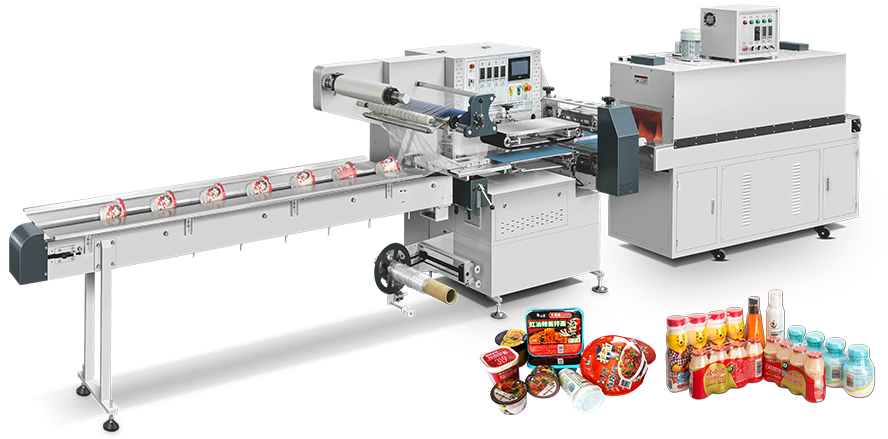
Flow type shrink wrap machine are the workhorses for box-shaped items and products that need a bottom seal. They create a tight, three-dimensional wrap and work well for individual items or small bundles. If your products are reasonably uniform and you are running moderate volumes—say, max 120-150 packages per minute—a high speed flow type shrink wrapping machine.
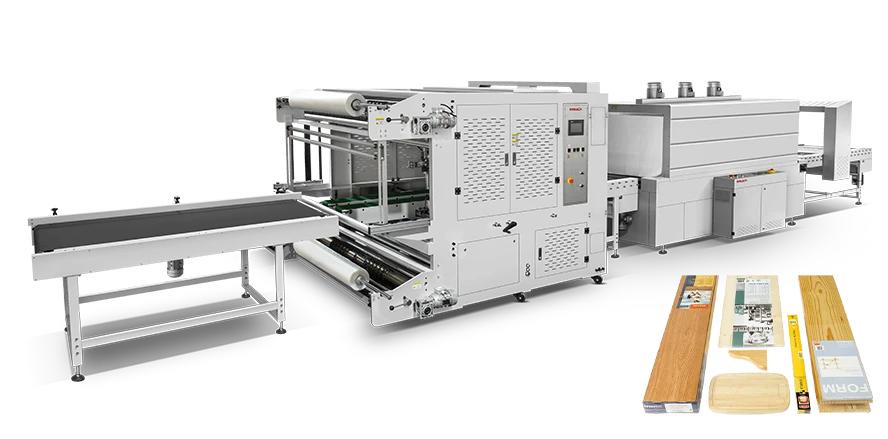
Sleeve sealer shrink wrapping machine, adopts PE film sleeve sleeve film packaging, which does not need sealing at both ends. The packaging speed is fast and film consumables are saved. It is specially designed for batch bundled packaging of regular large pieces such as mineral water, full carton boxes, foam boxes, etc. It is equipped with a hot air circulation shrinking furnace, which shrinks smoothly, and supports the production of production lines all day long.
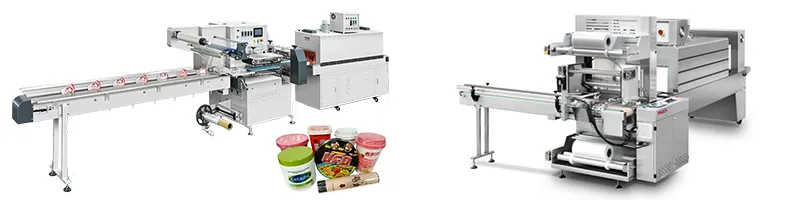
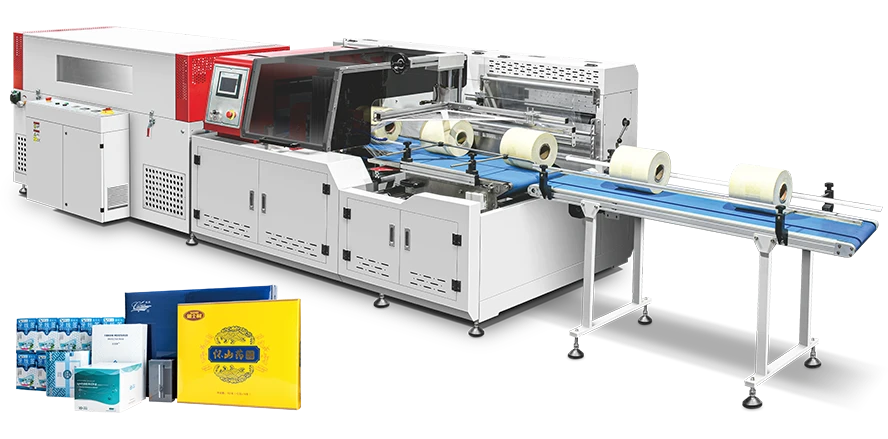
The choice between these two types of shrink wrapping machine comes down to your product shape and packaging requirements. If you are wrapping irregularly shaped items or need to bundle multiple units together, a sleeve wrapper is usually the better option. If you are wrapping individual boxes or flat items, an L-bar sealer will do the job efficiently.
Tunnel Sizing and Film Compatibility
Here is where many buyers go wrong. They pick a shrink wrapping machine based on the sealing bar size but forget to check whether the heat tunnel can actually accommodate their tallest or widest products.
The tunnel needs clearance—not just for the product itself, but for airflow around it. If your product barely fits through the tunnel opening, the hot air cannot circulate properly, and you will end up with uneven shrinking or burn marks. The general rule is to add a few inches of clearance on all sides when sizing the tunnel.
Film selection is equally critical. Not every shrink wrapping machine handles every film type. Polyolefin (POF) is the industry standard for most retail applications—it is clear, FDA-compliant for food contact, and shrinks at lower temperatures, which matters if your products are heat-sensitive. Polyethylene (PE) is tougher and more puncture-resistant, making it suitable for heavier industrial items. PVC is more affordable but less commonly used today due to environmental and regulatory concerns.
Your shrink wrapping machine must be compatible with the film you intend to run. Check the acceptable film thickness range and whether the machine supports center-folded film or single-wound rolls. Getting this wrong means either buying a new machine or being stuck with film you cannot use.
Changeover Speed and Production Flexibility
If you run multiple product sizes, changeover time is where your shrink wrapping machine either makes you money or costs you money.
A machine that stores recipes—sealing temperature, dwell time, film tension, package height—can switch between products in seconds rather than minutes. Some systems store up to 100 recipes, allowing operators to move from one SKU to the next without changing any parts. This is the difference between a production line that runs smoothly and one that spends half the day on adjustments.
Look for a shrink wrapping machine with intuitive controls and programmable settings. Operators should be able to handle changeovers themselves, without calling maintenance for every adjustment. This not only reduces downtime but also minimizes human error and keeps quality consistent across batches.
The Bottom Line: Match the Machine to Your Reality
Choosing a shrink wrapping machine is not about picking the fastest model or the cheapest option. It is about finding equipment that actually fits your products, your production volume, and your future growth.
What to take away:
- Start with your products—size, shape, weight, and whether you bundle multiples
- Choose between L-bar sealers and sleeve wrappers based on product shape and packaging needs
- Size the heat tunnel with adequate clearance for airflow around your products
- Confirm film compatibility—POF, PE, or PVC—before you buy
- Prioritize changeover speed and recipe storage if you run multiple SKUs
- Request a sample test with your actual products before finalizing your decision
Not Sure Which Shrink Wrapping Machine Fits Your Product Line?
Whether you are wrapping cosmetics, beverages, printed materials, or industrial parts, the right shrink wrapping machine starts with understanding your specific requirements. Our team can help you evaluate your product mix, recommend the right machine type, and even run sample tests with your actual products.