
Coco bricks, or coir pith blocks, are a popular growing medium in horticulture due to their excellent water retention and aeration. However, their loose, fibrous structure and significant weight present a dual challenge for product packaging and branding: the packaging must be strong enough to prevent spillage during transport and storage, while also providing a surface for clear, eco-friendly brand identification.
Traditional packing methods often fail to achieve both goals effectively. An innovative solution combining sleeve shrink wrapping with paper labeling is becoming the industry standard. This method not only provides a tight, durable wrap for the coco brick but also creates a perfect, seamless surface for branding.
The Packaging Solution: Sleeve Shrink Wrap + Paper Label
This efficient process can be accomplished with an automatic sleeve sealer shrink wrapping machine:
-
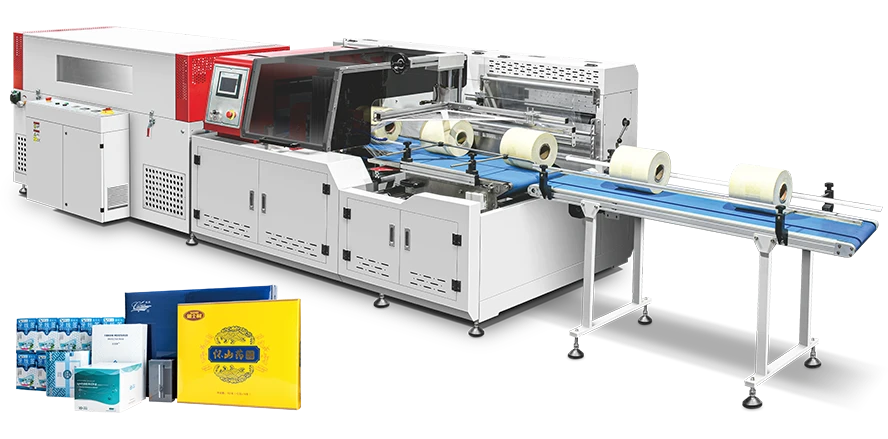
Sleeving and Sealing: The paper label is placed on the coco brick. The machine then automatically wraps a heat shrink film around both the product and the label, sealing the film at the seams.
-
Shrinking: The sealed product enters a heat shrink tunnel. As the film heats up, it shrinks tightly around the coco brick and the label. This action firmly secures the paper label to the brick's surface, creating a single, flat, and inseparable unit.
Recommended Equipment
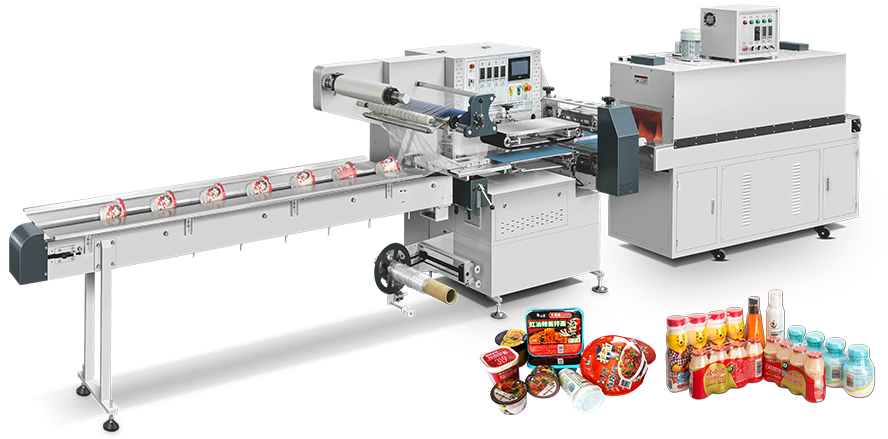
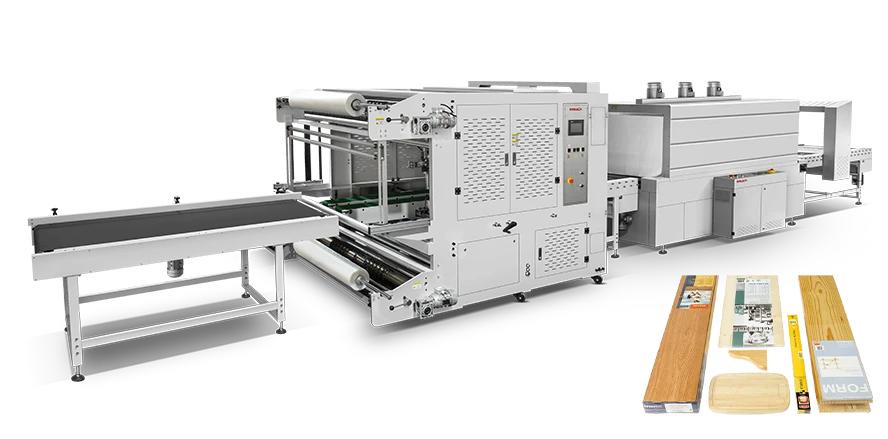
For this application, RUIYUAN Machinery's Automatic Sleeve Sealer Shrink Wrapping Machine is an ideal choice. Its key advantages include:
-
Strong Sealing: Uses a constant-temperature alloy knife to ensure a flat and strong seal, capable of withstanding the stress from heavy coco bricks.
-
Quick Changeover: Can be easily adjusted for different coco brick sizes, accommodating multi-specification production.
-
Compatibility: Works with various eco-friendly shrink films like POF and PE to meet different strength and environmental requirements.
Conclusion
By utilizing the combination of shrink wrap and a paper label, coco brick manufacturers can effectively solve the physical strength requirements of their packaging while simultaneously enhancing their product's presentation and brand visibility at the point of sale. This upgrade offers both practical protection and marketing value.